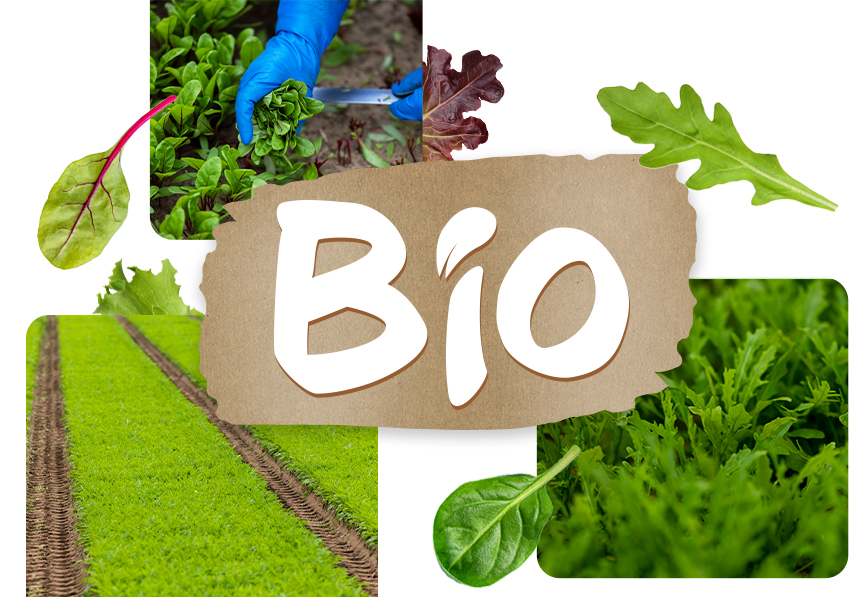
Organic Production at Vitacress

Organic production follows a strict set of rules and processes defined by European regulations, ensuring sustainable practices and respect for ecosystems.

At Vitacress, we ensure compliance with these requirements through the control of production factors and field practices, safeguarding the integrity of production at every stage. We guarantee full traceability and farm management in accordance with the regulations.

We also have a company and areas exclusively dedicated to organic production, Euralface Agricultura Lda, reinforcing our commitment to this production method.
Applied Practices

We apply a set of practices that contribute to the sustainability of the soil, crops, and surrounding environment, some of which are common to both organic production and other farming methods:

  • null

    Soil fertility

    Maintaining soil fertility and its water retention capacity through the incorporation of organic matter

  • null

    Valorisation of plant waste

    Reintegration of all plant waste back into the soil

  • null

    Crop monitoring

    Continuous monitoring of crops, pests, and diseases, with targeted intervention

  • null

    Pest control

    Assessment of key pests based on flight curves

  • null

    Resistant varieties

    Selection of varieties with intrinsic disease resistance as a fundamental preventive measure

  • null

    Crop rotation

    Inclusion of cover crops during periods of lower production to protect the soil

  • null

    Authorised products

    Exclusive use of products authorised for organic farming

  • null

    Biodiversity promotion

    We maintain biodiversity strips strategically distributed across production areas in order to promote native beneficial fauna and support natural balance

Our Organic Production

Our organic production is located in Boavista dos Pinheiros, where we began this production method in 2005.

Both organic production and the rest of Vitacress production deliver quality food while respecting the soil, plants, and ecosystems. The main difference lies in the technical and regulatory framework: organic farming requires stricter criteria, greater restrictions, and more proactive and careful management, with a higher tolerance for risk.

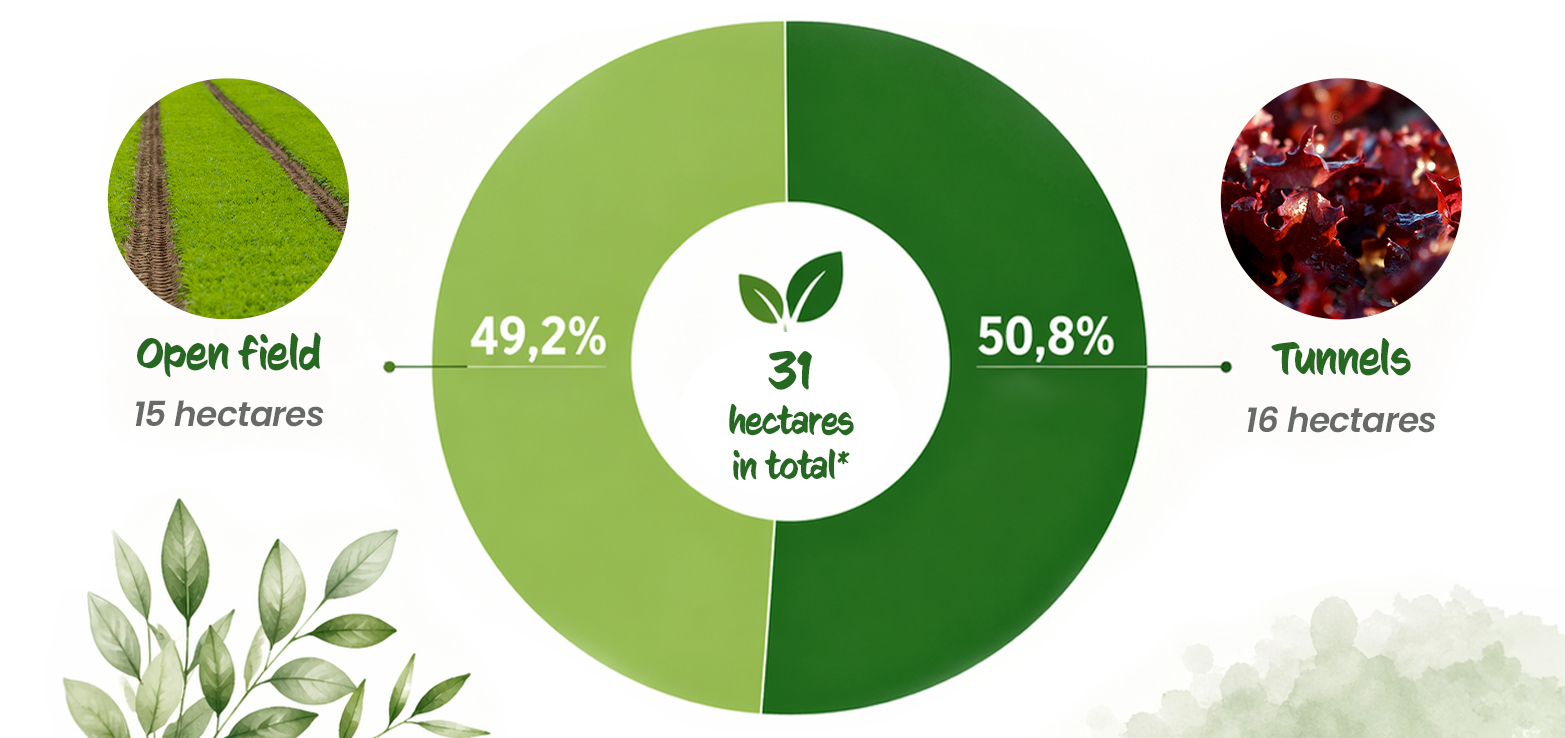
Currently, we cultivate 31 hectares* under organic production, distributed as follows:

*Approximate area, subject to slight variations resulting from annual agricultural management, namely crop rotation, plot planning, and technical adjustments.

Learn More About the European Regulation

Consult the European regulation that defines the rules for organic farming, available in several languages.